Dental Treatments
How to Get a Dental Treatment Plan Before You Fly
Reviewed by admin · Last updated June 20, 2026
The single best way to avoid surprises in dental tourism is to insist on a proper plan before you travel, and understanding how to get a dental treatment plan before you fly separates patients who arrive informed from those who get an unwelcome revision on arrival. A real plan, based on a genuine review of your case, is the foundation of a smooth, predictable experience, so knowing how to obtain one matters enormously.
Why a plan should come first
Travelling for treatment without a proper plan is a recipe for uncertainty. A remote consultation and provisional treatment plan, based on your photos and any X-rays, lets you understand the likely treatment and cost before committing to flights and time off. This means you arrive knowing roughly what to expect rather than discovering it on the day. Booking a fixed package before any clinical review of your case is the opposite approach, and it is a warning sign discussed in our guide to red flags to avoid.
How a remote consultation works
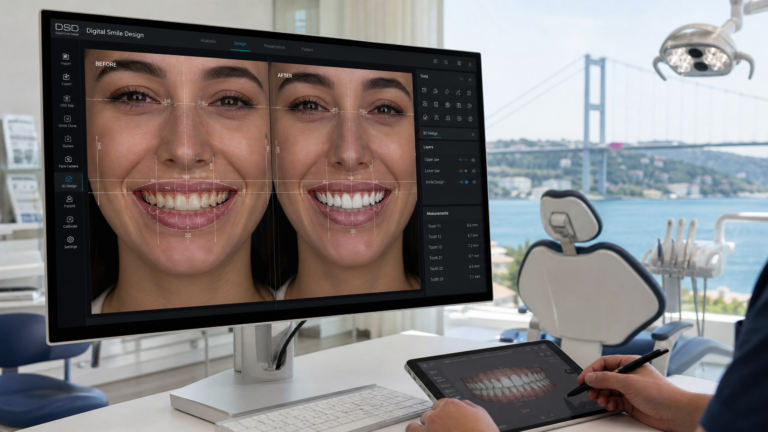
A remote consultation is straightforward. You typically send recent, clear photos of your teeth and any X-rays you have, and the clinic reviews them to provide a provisional assessment and quote, often accompanied by a video call to discuss your goals. This gives you a realistic preview of the proposed treatment and cost. It is not a final diagnosis, since that requires in-person examination and scans, but it is a genuine clinical starting point rather than a number plucked to capture your enquiry, as our package guide explains.
Plan versus floor-price package
The crucial distinction is between a treatment plan and a floor-price package. A plan is a clinical document where procedures are chosen because they suit your situation after your case has been reviewed. A floor-price package is a fixed combination priced before anyone has seen your teeth, designed to look attractive and capture interest. A fixed package sent back within hours of your first enquiry, before any X-rays or photographs have been reviewed, is the latter, and recognising the difference protects you from being drawn in by an unrealistic headline figure.
Why the plan may evolve
An honest provisional plan can still change after you arrive, because in-person examination and 3D scans may reveal things photos cannot, such as a bone graft needed before implants. This is normal and not a red flag in itself. What matters is that you ask in advance how such additions are assessed and priced. A transparent clinic explains this before you travel, so any change is anticipated rather than a shock, whereas an opaque one stays vague and revises the price on arrival, the behaviour our comparing quotes guide warns against.
Questions to ask before you fly
Before committing, a few questions secure your position. Has a dentist actually reviewed my photos and X-rays for this quote? What does the provisional plan include, and what might change after in-person assessment? How are additional procedures, if needed, assessed and priced? What materials and brands are specified? Clear answers indicate a clinic working from a genuine clinical basis, while vague ones suggest a floor-price approach. This diligence, echoed in our questions to ask guide, is your best protection.
How Rexalife helps
Rexalife is a medical tourism consultancy that guides patients to verified dentists and clinics in Turkey; we do not perform dental work, set prices or give clinical advice. We help you reach clinics that provide genuine remote consultations and provisional treatment plans before you travel, and that explain transparently how plans may evolve. Your treatment plan is produced by the dentist based on your case, before and after you arrive.
What to send and what to expect back
To get the most useful provisional plan before you travel, it helps to know what to send and what a good clinic should send back. On your side, providing clear, well-lit photographs of your teeth from the angles the clinic requests, along with any recent X-rays or scans you already have, gives them the best basis for a meaningful provisional assessment. The more accurate the information you provide, the more realistic the resulting plan and quote. In return, a good clinic should respond with a provisional assessment that reflects your actual case, an itemised quote that specifies materials and brands, an explanation of what might change after in-person examination, and ideally a conversation to discuss your goals. A response that is simply a fixed price with no engagement with your specific situation is a floor-price quote rather than a plan, and a sign to look elsewhere. It is also reasonable to expect the clinic to be clear that the provisional plan is a starting point that will be confirmed after scans on arrival, since honesty about this builds trust. By providing good information and expecting a genuine, itemised, case-specific response, you can tell the difference between a clinic that plans properly and one that simply quotes to capture enquiries, which is exactly the distinction that protects you before you commit to travelling.
Related reading: see root canal versus extraction and an implant and Antalya versus Istanbul as you finalise your plan.
Conclusion
Getting a real dental treatment plan before you fly is the surest way to avoid surprises, achieved through a remote consultation based on your photos and X-rays that yields a provisional plan and quote. Distinguish this clinical plan from a floor-price package priced before anyone has seen your teeth, understand why the plan may evolve after in-person scans, and ask how additions are handled. Arriving informed, rather than hopeful, is what makes dental tourism predictable and stress-free.
Frequently Asked Questions
Should I get a treatment plan before traveling for dental work?
Yes, a proper remote consultation and provisional treatment plan based on your photos and X-rays should come before you fly, so you understand the likely treatment and cost. Booking a fixed package before any clinical review is a warning sign.
How does a remote dental consultation work?
You typically send recent photos and any X-rays, and the clinic reviews them to provide a provisional assessment and quote, often with a video call. A definitive plan is confirmed after in-person examination and scans on arrival.
What is the difference between a plan and a package quote?
A treatment plan is a clinical document produced after reviewing your case, with procedures chosen because they suit you, while a package quote is a fixed set of procedures priced before anyone has seen your teeth. A plan is tailored; a package may not be.
Can a treatment plan change after I arrive?
It can, because in-person examination and scans may reveal more, such as a needed bone graft, which is why you should ask in advance how additions are handled and priced. A transparent clinic explains this before you travel.
About the author
admin — RexaLife medical content team. All health content is reviewed by qualified professionals.
Have questions about this topic?
Speak with a dedicated coordinator. No obligation — your information stays private.
RexaLife is a medical tourism facilitator and healthcare concierge service. RexaLife is not a hospital, clinic, or medical provider and does not provide medical care, diagnosis, or advice. All treatments are delivered by independent, accredited partner providers. Information on this page is general and does not replace professional medical consultation. Costs are estimates and depend on the chosen provider.