Medical Tourism Guide
Telemedicine Follow-Up After Treatment in Turkey: Staying Connected With Your Doctor From Home
Reviewed by admin · Last updated July 14, 2026
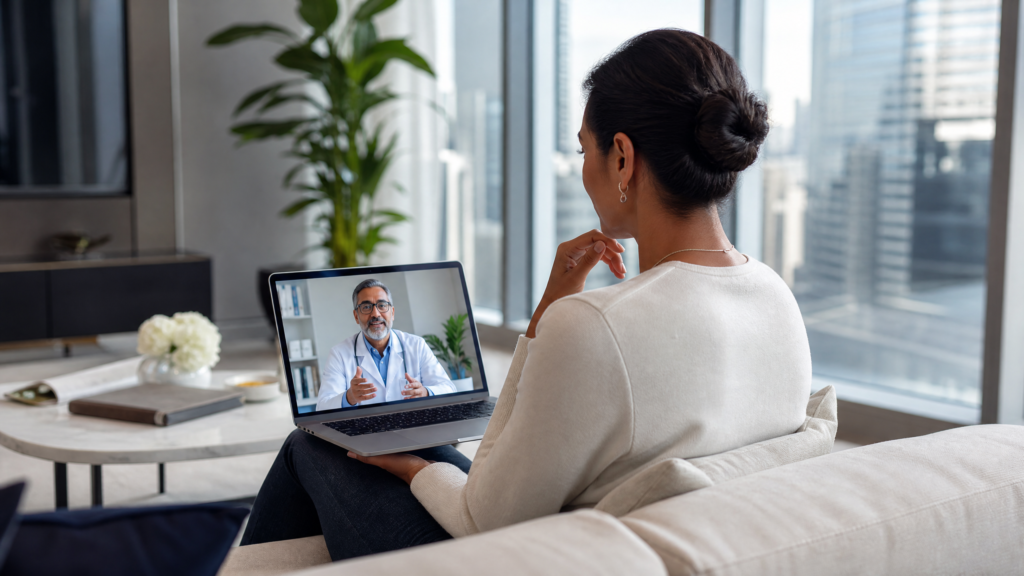
Flying home after treatment doesn’t mean the relationship with your surgical or medical team in Turkey has to end abruptly. Telemedicine follow-up — remote video or messaging consultations conducted after you’ve returned home — has become a standard part of how international patients stay connected with their doctors during recovery, allowing questions to be answered and progress monitored without requiring another flight back to Turkey. This guide explains how this typically works and what it can and cannot replace.
Rexalife is a medical consultancy. We help arrange and coordinate telemedicine follow-up appointments between international patients and their treating doctors in Turkey — we do not provide medical consultations or advice ourselves.
Why Follow-Up Care Matters After You Fly Home
Recovery from most procedures continues well beyond the point at which you’re cleared to fly home, and having a structured way to communicate with your treating doctor during this period — rather than simply hoping everything goes smoothly — genuinely improves outcomes and patient confidence. Whether it’s confirming a wound is healing normally, discussing when to resume specific activities, or addressing an unexpected symptom, having direct access to the team who performed your procedure, rather than relying solely on a local doctor unfamiliar with the specific surgery, adds real continuity of care.
How Telemedicine Follow-Up Typically Works
Most clinics arrange one or more scheduled video consultations at defined intervals after your procedure — commonly at one week, one month, and three to six months, though the exact schedule depends on your specific treatment. During these calls, you can show visible healing progress via video, describe symptoms, and ask questions directly to your surgeon or their clinical team, who can review any photographs you’ve sent in advance alongside your original medical records and operative notes. For procedures involving visible external healing, such as those discussed in our guide to dental implant recovery week by week, photo documentation sent between calls can be a useful way to track progress.
What Telemedicine Can Effectively Monitor
Remote consultations work well for reviewing visible healing progress through photos and video, discussing recovery milestones and when it’s appropriate to resume specific activities, answering general questions about symptoms and what’s within the range of normal healing, and reviewing straightforward test results such as blood work done locally after your return. They also provide reassurance and a direct line to your treating team during a period when anxiety about whether something is “normal” is common, particularly for patients without easy access to someone familiar with the specific procedure they’ve had.
What Telemedicine Cannot Replace
Remote consultations have real limitations. They cannot replace a physical examination when one is genuinely needed — for instance, if a wound shows signs of infection requiring direct assessment, or if imaging is needed to investigate a specific concern. They also cannot provide emergency care; any urgent or severe symptom, such as significant bleeding, difficulty breathing, or signs of a serious complication, requires immediate local emergency medical attention rather than waiting for a scheduled video call, a distinction covered in our broader guide to what happens if there are complications after treatment.
Coordinating With Local Doctors at Home
For situations that do require in-person assessment after you’ve returned home, it’s valuable to have a local doctor who can examine you directly, ideally with your operative report and any relevant records from Turkey shared in advance so they understand exactly what procedure was performed and what the expected recovery course looks like. Telemedicine follow-up with your original surgical team and in-person care from a local doctor are complementary, not competing, options — the best outcomes generally come from using both appropriately rather than choosing one over the other.
Technical Considerations
Most clinics use standard, secure video consultation platforms, and it’s worth confirming in advance what platform will be used, how appointments are scheduled across different time zones, and whether there’s a cost associated with follow-up consultations or whether they’re included as part of your original treatment package. Reliable internet access and adequate lighting for any physical photos or video review make a meaningful difference in how useful these sessions are, so it’s worth testing your setup before an important follow-up call.
Language Considerations in Follow-Up Calls
If your original consultation and treatment involved an interpreter, confirm whether the same language support will be available during telemedicine follow-up calls, since clear communication about recovery progress and any concerns is just as important remotely as it was during your in-person visit. Miscommunication during a follow-up call about symptoms or instructions can be genuinely consequential, so this is worth clarifying rather than assuming it will be automatically arranged.
Setting Expectations Before You Travel
It’s worth discussing the telemedicine follow-up schedule and process explicitly during your initial consultation in Turkey, before treatment even begins, rather than assuming the details once you’re already home. Ask specifically how many follow-up calls are included, over what time period, and what the process is if you need an additional, unscheduled consultation due to a specific concern that arises outside the planned schedule. Having this clarity in advance avoids uncertainty during recovery, when clear communication with your treating team matters most.
Keeping a Personal Recovery Log
Many patients find it useful to keep a simple daily log during the first few weeks of recovery — noting symptoms, medication taken, and any photos of visible healing — which makes each telemedicine follow-up call considerably more productive, since you can reference specific dates and changes rather than relying on memory alone. This habit also helps you notice gradual trends, whether reassuring steady improvement or a concerning pattern worth flagging proactively to your surgical team before your next scheduled call.
When to Request an Unscheduled Consultation
Beyond the regularly scheduled follow-up calls, don’t hesitate to request an additional, unscheduled telemedicine consultation if something feels concerning before your next planned appointment. Reputable clinics generally welcome this kind of proactive communication, since catching a potential issue early is always preferable to waiting for a scheduled call when genuine uncertainty arises during recovery.
Getting the Most From a Telemedicine Call
- Test your internet connection and lighting beforehand
- Have photos of your healing progress ready to share
- Write down questions in advance so none are forgotten
- Confirm language support if you need an interpreter
As telemedicine technology continues to improve, the quality and usefulness of remote follow-up consultations continues to grow alongside it, narrowing the gap between what can be assessed remotely and what genuinely requires an in-person visit. For international medical tourism patients specifically, this ongoing improvement is a meaningful benefit, extending the continuity of care from your treating team well beyond the physical boundaries of your trip to Turkey. This ongoing connection ultimately gives patients far greater confidence and peace of mind throughout the entire recovery period, wherever in the world they happen to be. It is a simple, low-cost addition to your care plan that consistently delivers outsized value for patient reassurance and safety. Staying engaged with your care team after you return home is one of the easiest ways to protect your investment in treatment.
How Rexalife Helps
We help coordinate telemedicine follow-up scheduling between international patients and their treating doctors in Turkey, including managing time zone differences and confirming language support is available where needed. We also help patients understand when a remote consultation is appropriate versus when local, in-person emergency care is genuinely required. We do not provide medical consultations, diagnoses, or advice ourselves — that responsibility remains with your treating doctors, whether in Turkey or at home.
Frequently Asked Questions
How soon after surgery is my first telemedicine follow-up?
Most clinics schedule the first follow-up around one week after your procedure, with additional calls typically at one month and three to six months, depending on your specific treatment.
Can telemedicine follow-up replace seeing a doctor in person?
Not always. It works well for monitoring visible healing progress and answering general questions, but cannot replace a physical examination when genuinely needed, or provide emergency care for urgent symptoms.
What should I do if I have an urgent symptom after returning home?
Seek immediate local emergency medical attention rather than waiting for a scheduled telemedicine call, since remote consultations are not equipped to handle emergencies.
Is telemedicine follow-up included in the cost of my treatment?
This varies by clinic, so it’s worth confirming in advance whether follow-up consultations are included in your original treatment package or charged separately.
Should I still see a local doctor after treatment in Turkey?
Yes, for situations requiring in-person assessment, having a local doctor with your operative report and records from Turkey provides valuable complementary care alongside telemedicine follow-up with your original surgical team.
What if my telemedicine follow-up call reveals a concerning symptom?
Your treating doctor will advise on next steps, which may include seeking in-person local medical attention, adjusting your home care routine, or arranging an additional consultation depending on the specific concern.
Is telemedicine follow-up available in my language?
Most clinics serving international patients can arrange follow-up calls with interpretation support if needed, but it’s worth confirming this specifically when your follow-up schedule is arranged.
About the author
admin — RexaLife medical content team. All health content is reviewed by qualified professionals.
Have questions about this topic?
Speak with a dedicated coordinator. No obligation — your information stays private.
RexaLife is a medical tourism facilitator and healthcare concierge service. RexaLife is not a hospital, clinic, or medical provider and does not provide medical care, diagnosis, or advice. All treatments are delivered by independent, accredited partner providers. Information on this page is general and does not replace professional medical consultation. Costs are estimates and depend on the chosen provider.