Hair Transplant
Can a Hair Transplant Fail?
Reviewed by admin · Last updated June 9, 2026
It is a fair and important question that responsible patients should ask: can a hair transplant fail? The honest answer is yes — although most procedures succeed, poor results do happen. Understanding can a hair transplant fail, why it occurs, and how to prevent it lets you take the right precautions. This guide gives a candid look at the causes, warning signs, and prevention.
The Honest Reality
The vast majority of hair transplants performed by experienced surgeons in accredited clinics succeed and produce natural, satisfying results — as discussed in hair transplant success rate in Turkey. But “most” is not “all”. Failure and disappointing outcomes occur, and pretending otherwise does patients a disservice. The good news is that the leading causes of failure are largely preventable through careful choices.
What “Failure” Means
Failure can take several forms: poor graft survival and thin growth, an unnatural-looking hairline or wrong graft angles, visible scarring, or thinning of the donor area from over-harvesting. It is important to distinguish true failure from the normal stages of recovery — the shedding phase and slow early months are expected, not failure, as our hair transplant timeline month by month explains.
The Main Causes of Failure
- Inexperienced surgeons — the most common cause, leading to poor design, wrong angles, or graft damage.
- Poor graft handling — grafts that are mishandled or out of the body too long may not survive.
- Infection — uncommon with good hygiene, but damaging when it occurs.
- Inadequate aftercare — not following instructions can compromise graft survival.
- Unsuitable candidacy — treating patients with an unstable or weak donor area.
- Over-harvesting — taking too many grafts and thinning the donor region.
Notice how many of these trace back to the clinic and surgeon — which is precisely why choosing well is your strongest protection.
The Biggest Preventable Cause: Choosing Poorly
The single largest driver of failure is choosing an inexperienced surgeon or a substandard clinic, often because of an attractively low price. This is the classic, avoidable mistake. Spending a little more for a verified, experienced surgeon in an accredited clinic prevents most failures. Choose carefully using how to choose a hair transplant clinic, verify with how to verify a doctor’s credentials in Turkey, and avoid the errors in common mistakes international patients make.
How to Prevent Failure
- Choose an experienced, verified surgeon in an accredited clinic.
- Confirm you are a suitable candidate with a realistic plan; see how many grafts do you need.
- Follow your aftercare precisely — washing, activity, and recovery; see hair transplant recovery day by day.
- Hold realistic expectations and allow the full timeline.
- Attend follow-up appointments.
Warning Signs to Watch For
Because the normal timeline includes shedding and slow early growth, do not panic prematurely. Genuine concerns include very poor growth well beyond the expected timeline, an unnatural hairline, visible scarring, or noticeable donor thinning. If you are worried, have a qualified surgeon assess your result rather than self-diagnosing. Related effects are covered in hair transplant risks and side effects.
What If a Transplant Does Fail?
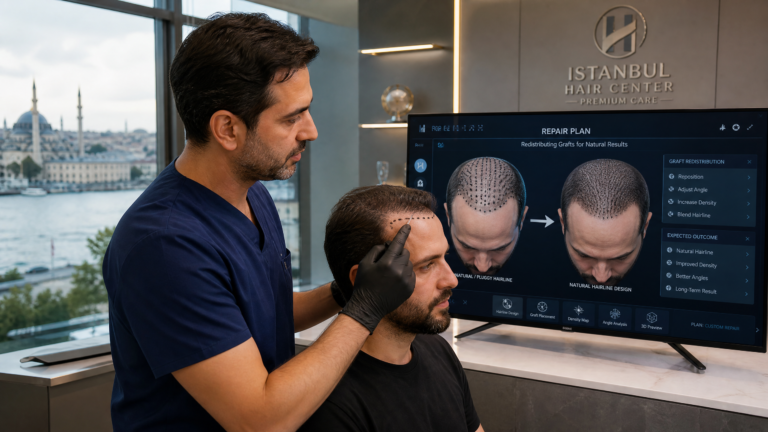
If a result is genuinely poor, options may exist. Depending on the state of the donor area and the original procedure, corrective or repair procedures can sometimes improve the outcome — but these are more complex and not always able to fully resolve the problem. This is why prevention is so much better than cure. Knowing your aftercare and follow-up options in advance matters; see what happens if there are complications after treatment.
How Rexalife Helps You Avoid Failure
As a consultancy, preventing failure is at the heart of our role. We connect you only with verified, experienced surgeons in accredited clinics, help confirm you are a suitable candidate with a realistic plan, and ensure clear aftercare and follow-up are in place. We do not perform treatment ourselves — we make sure the choices that prevent failure are made from the start. For the wider journey, read our complete guide to medical tourism in Turkey.
The Psychological Side of a Poor Result
It is worth acknowledging that a disappointing result is not only a physical issue but an emotional one, since hair loss and its treatment can affect confidence deeply. This is another reason prevention matters so much: the cost of a failed procedure is measured in more than money. If you are unhappy with a result, the constructive path is to have it assessed calmly by a qualified surgeon rather than reacting in distress or rushing into another procedure. A measured second opinion clarifies whether you are seeing a normal stage of recovery, a genuine problem, and what realistic options exist. Approaching the situation with patience and good information leads to far better decisions than acting on anxiety, and protects you from compounding one poor choice with another.
Conclusion
A hair transplant can fail, but most failures are preventable. The leading causes — inexperienced surgeons, poor technique, inadequate aftercare, and unsuitable candidacy — are largely within your control through careful choices. Choose a verified surgeon in an accredited clinic, follow your aftercare, hold realistic expectations, and you reduce the risk of failure to a small minimum. Prevention, not repair, is the real key to a successful result.
Frequently Asked Questions
Can a hair transplant fail?
Yes, although most transplants succeed, failure or poor results can happen due to inexperienced surgeons, poor technique, inadequate aftercare, unsuitable candidacy, or unrealistic expectations; careful choices greatly reduce the risk.
What causes a hair transplant to fail?
Common causes include an inexperienced surgeon, poor graft handling, infection, inadequate aftercare, harvesting from an unstable donor area, and treating unsuitable candidates; many of these are preventable.
How do I know if my hair transplant failed?
Concerns may include very poor growth well beyond the normal timeline, an unnatural hairline, visible scarring, or thinning of the donor area; a qualified surgeon should assess any worries, as some apparent issues are normal stages.
Can a failed hair transplant be fixed?
In some cases corrective or repair procedures are possible depending on the donor area and the original result, but prevention through careful clinic choice is far better than relying on a fix.
About the author
admin — RexaLife medical content team. All health content is reviewed by qualified professionals.
Have questions about this topic?
Speak with a dedicated coordinator. No obligation — your information stays private.
RexaLife is a medical tourism facilitator and healthcare concierge service. RexaLife is not a hospital, clinic, or medical provider and does not provide medical care, diagnosis, or advice. All treatments are delivered by independent, accredited partner providers. Information on this page is general and does not replace professional medical consultation. Costs are estimates and depend on the chosen provider.