Medical Tourism Guide
A Complete Guide to Medical Tourism in Turkey
Reviewed by admin · Last updated June 8, 2026
Medical tourism in Turkey has become one of the most established healthcare journeys in the world. In 2024 the country welcomed more than 1.5 million international patients and generated around 3 billion US dollars in health tourism revenue, with numbers continuing to climb in 2026. Patients travel from Europe, North America, Africa, and the Middle East to access advanced treatment at a fraction of the price they would pay at home — without compromising on quality.
This complete guide explains how medical tourism in Turkey works, which treatments are most popular, what it costs, how to stay safe, and how to plan your trip from start to finish. Rexalife is a medical consultancy — we are not a hospital or clinic. Our role is to connect you with verified doctors, accredited clinics, and trusted facilities so that you can make confident, well-informed decisions about your care.
What Is Medical Tourism in Turkey?
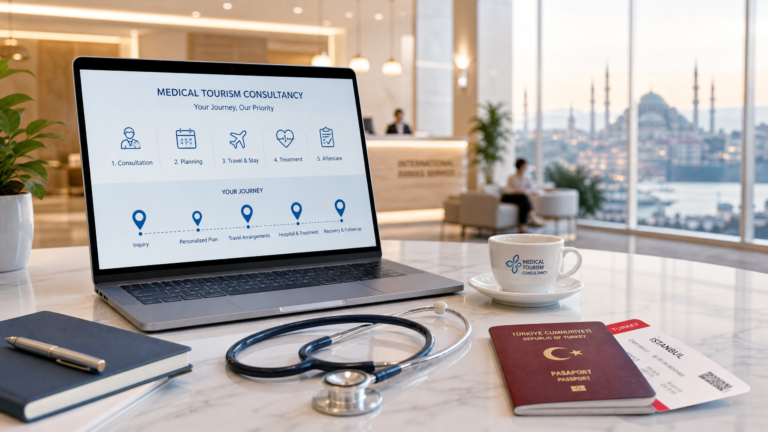
Medical tourism is the practice of travelling abroad to receive treatment that may be more affordable, faster to access, or higher in quality than what is available locally. In Turkey, this usually means receiving care in a private hospital or licensed clinic through a structured pathway: an initial online consultation, a treatment plan, the procedure itself, recovery time, and post-discharge follow-up.
The sector is regulated by the Turkish Ministry of Health, which licenses every hospital, clinic, and surgeon, and by USHAŞ — the state agency for international health services — which authorizes the clinics permitted to treat foreign patients. This regulatory framework is one reason patients trust the country. To understand why so many people choose it, read why millions of patients choose Turkey for treatment.
Which Treatments Are Most Popular?
Turkey is known for a wide range of treatments, but a handful consistently draw the most international patients:
- Hair transplants — Istanbul is often called the hair transplant capital of the world, with thousands of procedures performed every week.
- Dental treatment — veneers, crowns, implants, and full smile makeovers, especially popular with European patients.
- Plastic and cosmetic surgery — rhinoplasty, liposuction, tummy tucks, and body contouring.
- Diagnostic services — blood analysis, full health screenings, and MRI scans, often used before deciding on treatment.
- Ophthalmology — laser eye surgery such as LASIK and SMILE.
A common and sensible pathway is to begin with diagnostics — a comprehensive blood analysis or an MRI — and then proceed to treatment once results are reviewed. This is exactly the kind of structured, step-by-step approach a good consultancy helps you arrange.
How Much Does It Cost?
Cost is the single biggest reason patients consider Turkey. Across most procedures, prices run 50–70% lower than private treatment in the UK, US, Canada, or Western Europe. Even after adding flights and accommodation, the total is usually far less than the home-country price for the procedure alone.
Prices vary by treatment, clinic, surgeon experience, and city. For a full breakdown, see the Medical Tourism Turkey Cost Guide 2026 and learn exactly how much money you can save by getting treatment in Turkey.
Is It Safe?
Safety is a fair concern, and the honest answer is that it depends heavily on your choices. Turkey has world-class accredited hospitals alongside lower-quality operators, so the difference between an excellent and a disappointing experience comes down to research and verification.
The most important safeguards are choosing a JCI-accredited or Ministry-licensed facility and confirming your surgeon’s qualifications. We cover this in detail in Is Turkey safe for medical tourism in 2026? and explain exactly how to verify a doctor’s credentials in Turkey.
Choosing the Right Doctor and Clinic
The outcome of any medical trip depends more on the doctor and clinic than on the country. A strong selection process looks at the surgeon’s specialization, experience with your specific procedure, accreditation, patient reviews, and willingness to answer questions transparently.
Our dedicated guides walk you through every step: how to choose the right doctor in Turkey and the essential questions to ask before choosing a clinic. Avoiding the most frequent pitfalls also matters — see common mistakes international patients make.
Where Should You Go?
Istanbul is the largest hub with the widest choice of hospitals and specialists, while Antalya is favoured for its relaxed recovery environment and strong dental and cosmetic clinics. The right city depends on your treatment and priorities. Compare them in Istanbul vs Antalya for medical treatments and explore the best cities in Turkey for medical tourism.
Planning Your Trip
A successful medical trip is a planned one. You will need to think about documents, medication, recovery time, and follow-up before you travel. Use our travel checklist for medical tourists and read what to expect during a medical trip to Turkey so there are no surprises.
Recovery planning is critical. Flying too soon after surgery can be dangerous, so always follow your surgeon’s timeline — our guide on how long you should stay in Turkey after surgery explains typical durations by procedure.
What If Something Goes Wrong?
Even with the best planning, complications can occur with any medical procedure anywhere in the world. What matters is having a clear plan for aftercare and knowing your options. Read what happens if there are complications after treatment to understand how to protect yourself.
How Rexalife Helps
As a consultancy, our value is in trust and coordination. We help you find the right doctor and accredited clinic, verify credentials, organize diagnostics such as blood analysis and MRI scans, coordinate your treatment, and stay with you through recovery and follow-up. We do not perform treatment ourselves — we make sure the people who do are qualified, accredited, and right for you.
Final Thoughts
Medical tourism in Turkey offers genuine value: high-quality, accredited care at a significant saving. The patients who have the best experiences are those who research thoroughly, verify credentials, plan their recovery, and work with trusted partners. Use the guides linked throughout this article as your roadmap, and take each decision step by step.
Frequently Asked Questions
What is medical tourism in Turkey?
Medical tourism in Turkey means travelling to the country to receive medical, dental, or surgical treatment, usually in a private hospital or accredited clinic, often arranged through a consultancy that organizes the doctor, hospital, accommodation, transfers, and aftercare.
Why is Turkey so popular for medical treatment?
Turkey combines internationally accredited hospitals, experienced multilingual surgeons, and prices that are often 50–70% lower than in the UK, US, or Western Europe, while keeping high clinical standards.
Is medical treatment in Turkey safe?
Treatment in Turkey can be very safe when you choose a hospital licensed by the Ministry of Health and authorized by USHAŞ, ideally with JCI accreditation, and verify your doctor’s credentials before you travel.
How much can I save by getting treatment in Turkey?
Most international patients save between 50% and 70% compared with private prices at home, even after adding flights and accommodation, depending on the procedure and country of origin.
How long should I stay in Turkey after surgery?
Recommended stays range from a few days for dental work or hair transplants to two or three weeks for major surgery, so your surgeon can monitor recovery and clear you to fly home safely.
About the author
admin — RexaLife medical content team. All health content is reviewed by qualified professionals.
Have questions about this topic?
Speak with a dedicated coordinator. No obligation — your information stays private.
RexaLife is a medical tourism facilitator and healthcare concierge service. RexaLife is not a hospital, clinic, or medical provider and does not provide medical care, diagnosis, or advice. All treatments are delivered by independent, accredited partner providers. Information on this page is general and does not replace professional medical consultation. Costs are estimates and depend on the chosen provider.