Medical Tourism Guide
Do Turkish Clinics Have English-Speaking Staff?
Reviewed by admin · Last updated June 20, 2026
For many international patients, language is a genuine worry, and the question of whether Turkish clinics English-speaking staff are the norm has a reassuring answer for established providers. Clear communication is essential for safe treatment and peace of mind, so understanding how language works at clinics serving international patients, and how to confirm it for your own case, removes a common source of anxiety from planning treatment abroad.
The general picture
At clinics that cater to international patients, which is most of those serving medical tourists, English-speaking staff are the norm rather than the exception. Dentists, surgeons and patient coordinators at established clinics are typically fluent in English, and communication is rarely a problem. Turkey’s medical tourism sector has developed specifically to serve international patients, so language support is a core part of how reputable clinics operate. This general picture is reassuring, though it remains wise to confirm the specifics for your own treatment rather than assuming, as communication quality can vary between providers.
Translators and coordinators
Beyond English-speaking clinicians, many clinics provide dedicated patient coordinators and translators who guide you through the process and ensure clear communication at every stage. These coordinators often become your main point of contact, handling questions and smoothing the experience. Translation services are commonly included for critical communications such as consultations and consent discussions. This support structure, a hallmark of clinics experienced with international patients, means you are not left to navigate a language barrier alone, and it is one of the features our guide to what to expect highlights.
Support in other languages
If English is not your first language, you are also well served. Many international clinics offer support in languages such as Arabic, German, French and Russian, reflecting the diverse nationalities they treat. Multilingual staff and translators mean patients from across Europe, the Middle East, Africa and beyond can communicate comfortably. If you would prefer to be treated in a language other than English, it is worth asking which languages a clinic supports, since this is often broader than patients expect and contributes to a more comfortable, confident experience throughout treatment and recovery.
Understanding consent and aftercare
Clear communication matters most for the critical moments: understanding your treatment, giving informed consent, and following aftercare instructions. Reputable clinics ensure these are clearly understood, often providing translation specifically for consent discussions and discharge instructions. You should confirm that you will receive your aftercare instructions in a language you understand, since following them correctly is vital for a good recovery. A clinic that takes care to ensure you genuinely understand these key communications, rather than rushing through them, demonstrates the attentiveness you want in a provider.
How to confirm clear communication
The best way to confirm communication will be clear is to test it before you travel. A virtual consultation, as our guide to virtual consultations describes, lets you speak directly with the team and judge for yourself how comfortable communication is. Clear, responsive communication from your very first contact is a good sign, while difficulty understanding or being understood early on is worth heeding. Confirming that English-speaking staff or translators will be available throughout your treatment, not just at booking, ensures consistent communication from consultation to aftercare.
How Rexalife helps
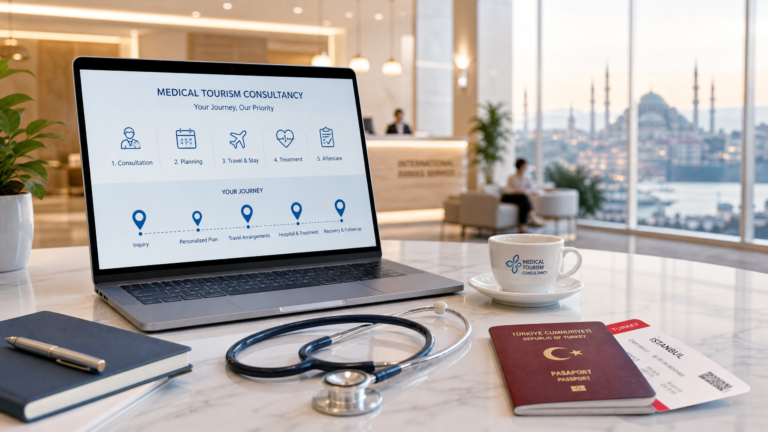
Rexalife is a medical tourism consultancy that guides patients to verified doctors and clinics in Turkey; we do not perform treatment. We help you reach clinics with strong English-speaking and multilingual support, and encourage a virtual consultation so you can confirm clear communication before travelling. The language support available is provided by your chosen clinic, so confirm it directly for your treatment and preferred language.
Why communication quality matters beyond convenience
It is worth understanding that communication quality is not merely a matter of convenience but a genuine factor in safe, successful treatment. When you can communicate clearly with your clinical team, you can convey your goals and medical history accurately, understand the proposed treatment and its risks, give truly informed consent, and follow aftercare instructions correctly, all of which directly affect your outcome and safety. A communication barrier, by contrast, can lead to misunderstandings about expectations, instructions or symptoms, which is why reputable clinics invest so heavily in language support. This is also why the quality of communication you experience early on, during your first contacts and virtual consultation, is such a useful signal: it indicates not just whether you will be understood, but how carefully the clinic attends to the patient relationship overall. A clinic that communicates clearly, patiently and individualistically is demonstrating the attentiveness you want throughout your care, while one where communication feels difficult or rushed from the start may struggle to provide the clear understanding that safe treatment requires. By treating communication as a clinical-quality issue rather than a mere convenience, and confirming through a virtual consultation that you can genuinely understand and be understood, you protect both your experience and your safety. Clear communication from consultation through to aftercare is one of the quieter but more important foundations of a good medical tourism experience.
Related reading: see the medical visa invitation letter explained and combining treatment with a holiday.
Conclusion
Most Turkish clinics serving international patients have English-speaking dentists, surgeons and coordinators, often with translators for languages such as Arabic, German, French and Russian, so communication is rarely a problem at established providers. Reputable clinics ensure consent and aftercare are clearly understood, sometimes with dedicated translation. Confirm communication for your own case through a virtual consultation before travelling, and clear contact from the first interaction will give you confidence that language need not be a barrier to safe, comfortable treatment.
Frequently Asked Questions
Do Turkish clinics have English-speaking staff?
Most clinics catering to international patients have English-speaking dentists, surgeons and patient coordinators, and often translators for other languages too. Communication is rarely a problem at established clinics, but it is still worth confirming for your specific treatment.
What languages are supported at Turkish clinics?
Beyond English, many international clinics offer support in languages such as Arabic, German, French and Russian, through multilingual staff or translators. Ask which languages a clinic supports if English is not your first language.
Will I understand my consent and aftercare instructions?
Reputable clinics ensure critical communications, including consent discussions and discharge instructions, are clearly understood, often providing translation for these. Confirm that you will receive aftercare instructions in a language you understand.
How do I make sure communication will be clear?
Have a virtual consultation before travelling to test communication directly with the team, and confirm that translators or English-speaking coordinators will be available throughout. Clear communication from the first contact is a good sign.
About the author
admin — RexaLife medical content team. All health content is reviewed by qualified professionals.
Have questions about this topic?
Speak with a dedicated coordinator. No obligation — your information stays private.
RexaLife is a medical tourism facilitator and healthcare concierge service. RexaLife is not a hospital, clinic, or medical provider and does not provide medical care, diagnosis, or advice. All treatments are delivered by independent, accredited partner providers. Information on this page is general and does not replace professional medical consultation. Costs are estimates and depend on the chosen provider.