Medical Tourism Guide
Is It Safe to Pay a Deposit to a Turkish Clinic?
Reviewed by admin · Last updated June 20, 2026
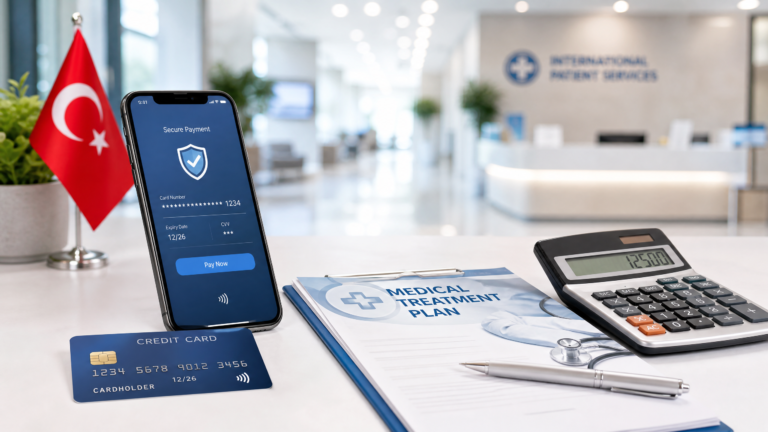
Paying money before you have even travelled can feel risky, and the question of whether it is safe to pay a deposit to a Turkish clinic deserves a clear answer: yes, when done properly with a verified clinic on documented terms. Deposits are a normal part of booking treatment, but knowing what makes a deposit safe, and what signals a clinic to avoid, ensures your money is protected from the very first payment.
Why deposits are normal
It helps to understand that requesting a deposit is standard practice, not a warning sign in itself. Clinics ask for a deposit to secure your booking and reserve your treatment dates, often taking a portion of the total with the balance due closer to or before treatment. This is a reasonable, common arrangement that protects the clinic’s scheduling just as your booking protects your place. The deposit becomes a concern only when the surrounding circumstances are wrong, so the focus should be on the conditions under which you pay it, not the existence of a deposit alone.
Verify the clinic first
The single most important rule is to verify the clinic thoroughly before paying any deposit. A deposit to a genuinely reputable, accredited clinic with verifiable credentials and real reviews is very different from one to an unverified operation. Since no payment safeguard helps if the clinic itself is not legitimate, verification, as our guides to verifying credentials and choosing a doctor describe, must come first. Only once you are confident the clinic is reputable does paying a deposit become a safe, normal step rather than a gamble.
Secure the refund terms in writing
Before paying, obtain the refund policy in writing. A reputable clinic will tell you clearly what the deposit secures and under what circumstances it is refundable. Many refund deposits, sometimes minus a fee, for cancellations made sufficiently in advance, but terms vary, so you should never pay without knowing them. Having the refund policy documented means that if your plans change, or the clinic cannot deliver what was agreed, you know exactly where you stand. This written clarity, part of our guide to paying safely, is essential protection.
Keep the deposit reasonable and documented
A safe deposit is reasonable in size and clearly documented. It should be a sensible portion of the total to secure your booking, not an outsized upfront demand, and it should be paid through a traceable method with a written record of what it covers. Getting an itemised quote first means you understand the full price the deposit is part of. Keeping documentation of the payment and its purpose protects you if any question arises later, which is exactly the record-keeping that prevents disputes in medical travel.
Deposit red flags
Certain deposit demands are warning signs. Be cautious of a large deposit requested before any proper consultation or assessment of your case, vague or absent refund terms, pressure to pay immediately to secure a supposed special price, or requests to pay through unusual channels. These suggest a clinic to avoid rather than a normal booking. Legitimate clinics are transparent and unhurried, providing clear terms and a proper assessment before expecting significant payment. Trusting your instincts when a deposit demand feels off, as our guide to questions before paying a deposit advises, is wise.
How Rexalife helps
Rexalife is a medical tourism consultancy that guides patients to verified doctors and clinics in Turkey; we do not handle deposits or provide financial advice. We help you reach verified, reputable clinics with transparent deposit and refund terms, and help you understand what to check before paying. The deposit and refund terms are agreed directly between you and your chosen clinic, so always secure them in writing.
Putting the deposit in proportion
It helps to keep the deposit in proportion as one part of a larger, well-considered decision rather than treating it as the whole risk. By the time you are paying a deposit, the most important protective work, thoroughly verifying the clinic, comparing quotes, having a virtual consultation and confirming credentials, should already be done. A deposit paid to a clinic you have genuinely vetted, on documented terms with a clear refund policy, carries very different risk from one paid impulsively to an unverified operation. This is why the deposit should come after your due diligence, not before it, and never as a way to secure a price you have not had time to properly assess. It is also reasonable to start with a modest commitment where possible and build confidence as the clinic demonstrates transparency and professionalism through the process. If a clinic handles the deposit stage well, providing clear terms, answering your questions and applying no undue pressure, that itself is reassuring evidence of a trustworthy operation. If it handles the deposit stage poorly, that is valuable warning information before you have committed the larger balance. Seen this way, the deposit is not only a booking step but also a useful test of how the clinic operates. By keeping it in proportion, paying only after proper verification and on documented terms, you make the deposit a safe, normal part of securing well-planned treatment rather than a leap of faith.
Conclusion
Paying a deposit to a Turkish clinic is safe and normal when the clinic is properly verified, the deposit is reasonable and documented, and the refund terms are clear and in writing. Deposits are a standard part of securing a booking, so the existence of one is not a concern; the conditions are what matter. Verify first, secure the refund policy in writing, keep records, and watch for red flags like large pre-consultation demands. Done this way, your very first payment is well protected.
Frequently Asked Questions
Is it normal to pay a deposit before treatment in Turkey?
Yes, many reputable clinics ask for a deposit to secure your booking and dates, often a portion of the total. This is standard practice, provided the clinic is verified, the deposit is reasonable, and the refund terms are clear and in writing.
What should I check before paying a deposit?
Verify the clinic's credentials and reviews first, get an itemised written quote, confirm exactly what the deposit secures, and obtain the refund policy in writing. Only pay a deposit to a properly verified clinic on documented terms.
Can I get my deposit back if I cancel?
It depends on the clinic's refund policy, which is why you should get it in writing before paying. Many clinics refund deposits, sometimes minus a fee, for cancellations made sufficiently in advance, but terms vary, so confirm them.
What deposit demands are red flags?
Be cautious of large deposits demanded before any proper consultation or assessment, vague or absent refund terms, pressure to pay immediately, or unusual payment channels. These suggest a clinic to avoid rather than a normal booking process.
About the author
admin — RexaLife medical content team. All health content is reviewed by qualified professionals.
Have questions about this topic?
Speak with a dedicated coordinator. No obligation — your information stays private.
RexaLife is a medical tourism facilitator and healthcare concierge service. RexaLife is not a hospital, clinic, or medical provider and does not provide medical care, diagnosis, or advice. All treatments are delivered by independent, accredited partner providers. Information on this page is general and does not replace professional medical consultation. Costs are estimates and depend on the chosen provider.