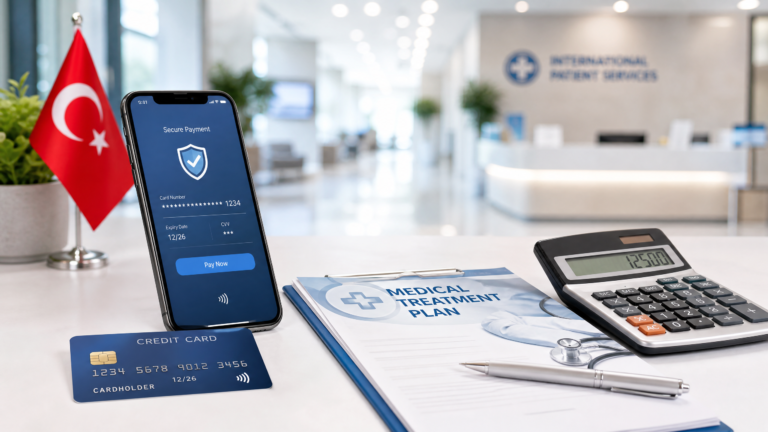
Medical Tourism Guide
What to Expect During a Medical Trip to Turkey
Reviewed by admin · Last updated June 9, 2026
Knowing what to expect removes most of the anxiety of being treated abroad. A well-planned medical trip to Turkey follows a clear sequence, and understanding each stage lets you prepare properly and avoid surprises. This guide walks you through the journey from first consultation to flying home.
Stage 1: The Online Consultation
Your journey usually begins before you travel. You will share your medical history, photos or scans, and your goals, and receive an initial assessment and treatment plan. This is the moment to ask questions, confirm the surgeon, and understand the full cost. A thorough consultation is a good early sign; a rushed one is a warning. For diagnostics-led journeys, this may include arranging a blood analysis or MRI to confirm the right course of treatment.
Stage 2: Planning and Booking
Once you are comfortable with the plan, dates are set and logistics arranged — flights, accommodation, transfers, and translators. This is also when you should finalize your understanding of recovery time and aftercare. Use our travel checklist for medical tourists to make sure nothing is forgotten, and confirm the right destination using best cities in Turkey for medical tourism.
Stage 3: Arrival and Transfer
Most coordinated trips include an airport pickup that takes you to your hotel or clinic. Major hubs like Istanbul and Antalya are well-equipped for international patients, with staff used to welcoming visitors from Europe, the Middle East, Africa, and North America. Arriving to an organized transfer rather than navigating a new country alone makes a real difference when you are focused on treatment.
Stage 4: Pre-Treatment Checks
Before any procedure, expect an in-person consultation and pre-treatment checks. These may include blood tests, imaging, or a physical examination to confirm you are fit for treatment and to finalize the plan. Reputable clinics will not skip this stage — it protects you and improves outcomes. If a clinic wants to operate with no checks at all, treat that as a serious concern.
Stage 5: The Procedure
The treatment itself proceeds according to the agreed plan. Depending on the procedure, this may be a single session — common for hair transplants and many dental treatments — or it may require a hospital stay, as with major surgery. Your clinic should explain exactly what will happen on the day, who will be involved, and what you will feel afterward.
Stage 6: Recovery and Follow-Up
Recovery is part of the treatment, not an afterthought. You will typically stay in Turkey for a recovery period with at least one follow-up appointment so the surgeon can confirm you are healing well. The length depends entirely on the procedure — our guide on how long you should stay in Turkey after surgery gives realistic timelines.
Stage 7: Clearance and Flying Home
You should only fly home once your surgeon clears you. Flying too early can raise the risk of complications, so resist the urge to rush. Before you leave, make sure you have a written aftercare plan, contact details for questions, and any medication or instructions you need for the recovery period at home.
What Good Coordination Feels Like
A well-run medical trip feels organized and calm: clear communication at each step, someone to contact when you have a question, transfers that arrive on time, and a treatment plan that matches what you were promised. Disorganization at the start often signals disorganization throughout, so pay attention to how the early stages are handled.
Managing Expectations
It is normal to feel some nervousness travelling abroad for treatment. Being well-informed is the best antidote. Read about the broader experience in our complete guide to medical tourism in Turkey, and understand the safeguards in is Turkey safe for medical tourism in 2026? Knowing the plan in advance turns an intimidating trip into a manageable one.
How Rexalife Supports Your Trip
As a consultancy, we coordinate the journey so each stage flows into the next. We help arrange your consultation, connect you with verified doctors and accredited clinics, organize diagnostics, and stay reachable through recovery and follow-up. We do not perform treatment ourselves — we make sure the experience around it is smooth, transparent, and well-supported.
What to Expect Emotionally
Beyond the logistics, it helps to anticipate how a medical trip can feel. It is normal to experience a mix of excitement and nervousness before treatment, relief immediately afterward, and sometimes a brief low point during early recovery as your body heals and the initial adrenaline fades. This emotional arc is common and temporary. Having a clear plan, a point of contact, and realistic expectations makes it far easier to manage. If you are travelling alone, consider arranging regular check-ins with someone at home so you feel supported throughout. Knowing that these feelings are normal — and that the difficult days usually pass quickly — is part of being well prepared.
Conclusion
A medical trip to Turkey follows a logical path: consultation, planning, arrival, checks, procedure, recovery, and a properly cleared journey home. When you know what each stage involves and prepare for it, the experience becomes predictable and far less stressful — leaving you free to focus on your health and your result.
Frequently Asked Questions
What happens during a medical trip to Turkey?
A typical medical trip to Turkey involves an online consultation and plan, arrival and transfer, pre-treatment checks, the procedure, a recovery period with follow-up, and clearance to fly home with an aftercare plan.
Do Turkish clinics arrange airport transfers and hotels?
Many clinics and consultancies arrange airport transfers, accommodation, and translators as part of a coordinated package, which removes much of the stress of being treated abroad.
Will language be a problem during my treatment in Turkey?
Major medical hubs are used to international patients, with English-speaking staff and translators available, so language is rarely a barrier when you plan with an experienced clinic or consultancy.
How soon after arriving will I have my procedure?
It varies, but many patients have pre-treatment checks soon after arrival and the procedure within the first day or two, leaving time for recovery and follow-up before flying home.
About the author
admin — RexaLife medical content team. All health content is reviewed by qualified professionals.
Have questions about this topic?
Speak with a dedicated coordinator. No obligation — your information stays private.
RexaLife is a medical tourism facilitator and healthcare concierge service. RexaLife is not a hospital, clinic, or medical provider and does not provide medical care, diagnosis, or advice. All treatments are delivered by independent, accredited partner providers. Information on this page is general and does not replace professional medical consultation. Costs are estimates and depend on the chosen provider.