Medical Tourism Guide
Travel Checklist for Medical Tourists
Reviewed by admin · Last updated June 9, 2026
A successful medical trip is a well-prepared one. The difference between a smooth experience and a stressful one often comes down to what you organized before leaving home. This travel checklist for medical tourists covers everything you should arrange and pack, so nothing important is left behind. Use it alongside what to expect during a medical trip to Turkey for the full picture.
Before You Book
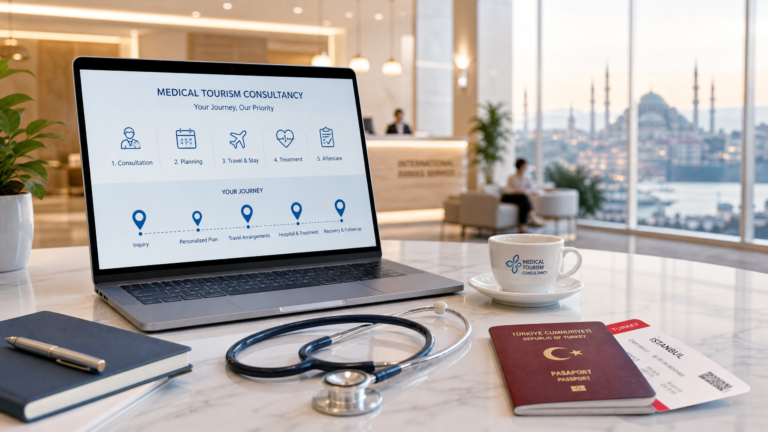
Some essentials must be sorted before you even confirm dates. Make sure you have a written treatment plan, a verified surgeon and accredited clinic, a clear understanding of the full cost, and a realistic recovery timeline. These foundations are covered in questions to ask before choosing a clinic and how to verify a doctor’s credentials in Turkey.
Travel Documents
- Valid passport, with enough validity remaining for your trip.
- Any required visa or entry permit for Turkey.
- Printed and digital copies of flight and accommodation bookings.
- Clinic appointment confirmation and contact details.
- Copies of all documents stored separately in case originals are lost.
Medical Records and Information
- Your medical history and any relevant past treatments.
- A current list of medications and dosages.
- Known allergies, including to medication and anaesthesia.
- Recent test results or scans relevant to your treatment.
- Your written treatment plan from the clinic.
Bringing this information helps your treating team plan safely and avoids delays or repeated tests on arrival.
Insurance and Financial Protection
- Medical travel insurance documents and policy number.
- Understanding of what your insurance covers, including complications.
- A note of the clinic’s aftercare and revision policy.
Insurance for treatment abroad is worth arranging — understand why in what happens if there are complications after treatment.
Money and Payments
- A clear record of what has been paid and what remains due.
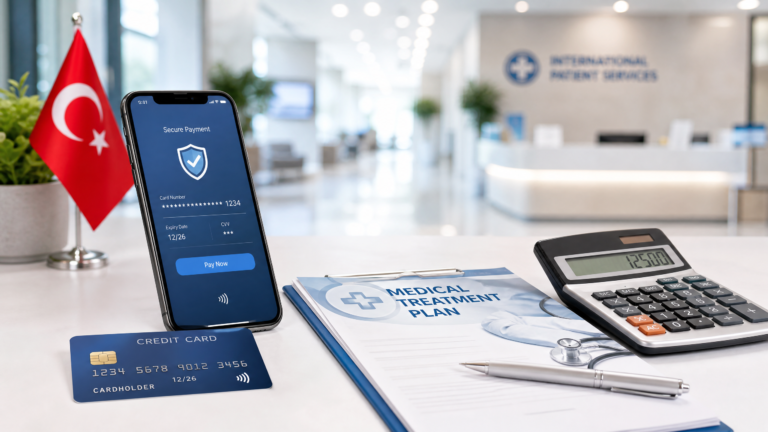
- A means of payment accepted by the clinic, confirmed in advance.
- Some local currency for incidental costs.
- A budget buffer for an extended stay or unexpected expenses.
Plan your full budget using the Medical Tourism Turkey Cost Guide 2026.
Medication and Health Items
- Enough of your regular medication for the whole trip, plus extra.
- Any items your clinic specifically recommends for your procedure.
- Basic personal health supplies for comfort during recovery.
Recovery Essentials
- Comfortable, loose clothing appropriate to your procedure.
- Items that help you rest well, such as a neck pillow for the flight.
- Entertainment for downtime during recovery.
- Anything your surgeon advises for the specific recovery period.
Make sure your stay is long enough for proper recovery — see how long you should stay in Turkey after surgery.
Contacts and Communication
- Clinic and surgeon contact details, saved and printed.
- Your consultancy’s contact for support during the trip.
- Emergency contacts at home, who also have your itinerary.
- A working phone plan or local SIM, and translation app if helpful.
The Day Before You Fly
Do a final check: documents in your carry-on, medication packed, bookings confirmed, contacts saved, and someone at home aware of your plans. Follow any pre-procedure instructions from your clinic, such as fasting or pausing certain medications, exactly as advised.
How Rexalife Helps You Prepare
As a consultancy, we help make sure nothing on this checklist is missed. We coordinate your clinic appointments, confirm what documents and preparations are needed, arrange accommodation and transfers, and stay reachable throughout your trip. We do not provide treatment ourselves — we make sure you arrive prepared and supported. For the complete journey, read our complete guide to medical tourism in Turkey.
Packing Smart for Your Procedure
Different procedures call for slightly different preparation, so tailor your packing to your treatment. After a hair transplant, loose hats or head coverings advised by your clinic and a travel pillow can help protect the area. For dental work, soft foods and any prescribed rinses ease the first days. After cosmetic surgery, loose front-opening clothing, supportive garments your surgeon recommends, and items that make resting comfortable are valuable. For diagnostics, little special packing is needed beyond your records. Always follow your clinic’s specific list, as they know exactly what your procedure requires. A little procedure-specific preparation makes the recovery period far more comfortable and reduces the chance of needing to buy items in an unfamiliar place.
Keep a Personal Copy of Everything
One simple habit prevents a surprising number of problems: keep your own copy of every important document, in both printed and digital form. Your passport, visa, bookings, treatment plan, quotes, medical records, insurance details, and clinic contacts should all be duplicated and stored separately from the originals — for example, in a secure folder on your phone and a printed set in your bag. If anything is lost or a question arises, you can produce what you need immediately. This small effort before you leave home saves considerable stress abroad and makes every interaction with your clinic smoother.
Final Pre-Trip Confidence Check
In the final days, confirm the essentials are genuinely sorted rather than assumed: surgeon verified, clinic accredited, full quote in writing, recovery stay long enough, aftercare confirmed, insurance arranged, documents copied, and someone at home aware of your plans. Running through this short confidence check turns vague reassurance into certainty, so you board your flight focused on your treatment rather than worrying about what you might have forgotten.
Conclusion
Preparation turns a daunting medical trip into a manageable one. Sort your documents, medical records, insurance, money, medication, and recovery essentials in advance, keep your contacts close, and follow your clinic’s pre-procedure instructions. With this checklist complete, you can focus on what really matters — your treatment and your recovery.
Frequently Asked Questions
What should be on a medical tourist’s travel checklist?
A medical tourist’s checklist should include travel documents, medical records, medication, a written treatment plan, insurance details, money and cards, recovery essentials, and clinic and emergency contacts.
What documents do I need for medical travel to Turkey?
You typically need a valid passport, any required visa, your medical records and treatment plan, insurance documents, and copies of your bookings and clinic contacts.
Should I bring my medical records?
Yes. Bringing your medical history, current medication list, allergies, and any relevant scans or test results helps your treating team plan safely and avoids delays.
What recovery items should I pack?
Pack comfortable loose clothing, any prescribed medication, items recommended by your clinic for your specific procedure, and essentials for resting comfortably during your recovery stay.
About the author
admin — RexaLife medical content team. All health content is reviewed by qualified professionals.
Have questions about this topic?
Speak with a dedicated coordinator. No obligation — your information stays private.
RexaLife is a medical tourism facilitator and healthcare concierge service. RexaLife is not a hospital, clinic, or medical provider and does not provide medical care, diagnosis, or advice. All treatments are delivered by independent, accredited partner providers. Information on this page is general and does not replace professional medical consultation. Costs are estimates and depend on the chosen provider.