Medical Tourism Guide
How to Choose the Right Doctor in Turkey
Reviewed by admin · Last updated June 9, 2026
The country you travel to matters far less than the surgeon who actually treats you. That is why knowing how to choose the right doctor in Turkey is the most important skill any medical tourist can develop. A great doctor in an average clinic will usually give you a better outcome than an average doctor in a famous one. This guide gives you a clear, practical method.
Start With Specialization
The first filter is simple: does the doctor specialize in your specific procedure? A surgeon who focuses on rhinoplasty all day, every day will typically deliver better nose surgery results than a general plastic surgeon who occasionally performs it. Match the doctor’s specialty precisely to your need — hair restoration, implant dentistry, body contouring, and so on.
This is part of a wider research process described in our complete guide to medical tourism in Turkey.
Check Experience and Volume
Experience compounds. Ask how many times the doctor has performed your exact procedure and how long they have been doing it. In Turkey, top surgeons often perform very high volumes, which can sharpen technique — but volume only helps when it comes with proper training and good outcomes, so weigh it alongside the other factors here.
Verify Credentials and Licensing
Every practising doctor in Turkey must be licensed by the Ministry of Health, and specialists should hold board certification in their field. Never skip this step. Our dedicated guide on how to verify a doctor’s credentials in Turkey walks you through exactly what to ask for and how to confirm it.
Look for Hospital Accreditation
A qualified doctor working in an accredited hospital is a powerful combination. JCI accreditation (Joint Commission International) signals that the facility meets strict international standards for safety and quality. A doctor affiliated with such a hospital benefits from better support, equipment, and protocols. Read more about standards in is Turkey safe for medical tourism in 2026?
Read Genuine Patient Reviews
Reviews are valuable, but read them critically. Look for detailed, specific experiences across multiple independent platforms rather than a handful of glowing testimonials on the clinic’s own website. Pay attention to how the clinic handled any problems — that often tells you more than the praise. Be wary of profiles that show only flawless results and heavy advertising.
Assess Communication
How a doctor communicates before treatment predicts a lot about your overall experience. The right doctor:
- Answers your questions clearly and patiently.
- Gives realistic expectations rather than guaranteeing perfection.
- Provides a written treatment plan.
- Discusses risks honestly, not just benefits.
- Responds in a language you can understand, directly or through a translator.
A doctor who rushes you, dodges questions, or pressures you to book quickly is showing you something important. The right questions to raise are listed in questions to ask before choosing a clinic.
Be Careful With Social Media
Many Turkish clinics market heavily on social media, and impressive before-and-after photos can be persuasive. Use them as a starting point, not proof. Always verify credentials independently, and remember that the most aggressive advertisers are not always the best clinicians.
Avoid Common Selection Mistakes
Most poor outcomes trace back to predictable errors: choosing on price alone, trusting marketing over verification, or booking with whoever replies fastest. See common mistakes international patients make so you can sidestep them.
Ask About the Full Team
In many procedures, the surgeon is not the only person who affects your result. Hair transplants, for example, often rely heavily on the technicians who extract and implant grafts. Cosmetic surgery depends on the anaesthetist and the nursing team. When you research a doctor, ask who else will be involved in your care and what their qualifications are. A transparent clinic is happy to explain its whole team; a vague answer is a warning sign.
Compare Before-and-After Results Carefully
Photographs are useful evidence when read correctly. Look for results from patients with a starting point similar to yours, taken under consistent lighting and angles, and ideally showing healed outcomes rather than just immediate post-procedure shots. Be cautious of galleries that look too uniform or heavily edited. The most honest doctors will also show you realistic, average results — not only their single best case.
Get Everything in Writing
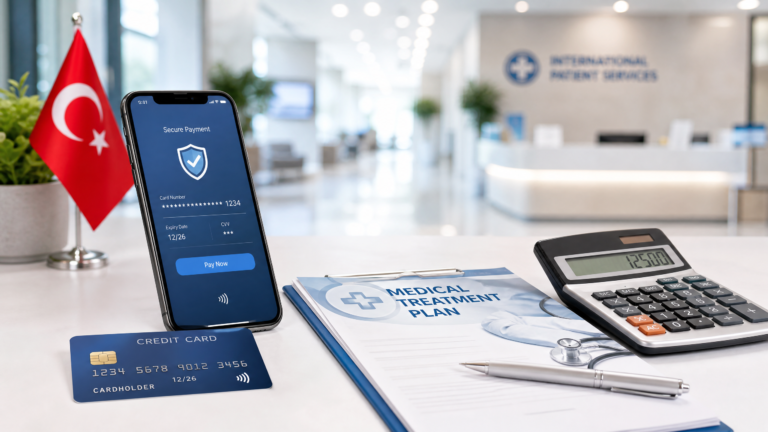
Before you commit, you should have a written treatment plan that states exactly what will be done, by whom, what it costs in full, and what aftercare is included. A verbal promise is difficult to rely on from another country. A doctor or clinic that documents the plan clearly is signalling professionalism and accountability — and it gives you something concrete to refer back to if anything is unclear later.
Trust Your Instincts
After you have checked the credentials and the reviews, pay attention to how the interaction feels. Did the doctor listen to your concerns? Were you given time to decide, or pushed to pay a deposit immediately? Did the answers feel honest, including about risks and limitations? A calm, transparent, unhurried process is one of the best signs you have found the right doctor. Pressure and evasiveness are reasons to step back and reconsider.
How Rexalife Helps You Choose
Choosing a doctor from another country is hard when you cannot easily verify what you are told. As a consultancy, Rexalife does that verification for you: we connect you with doctors whose credentials we have checked, who work in accredited facilities, and who communicate transparently. We do not treat you ourselves — we make sure the person who does is genuinely the right choice.
Conclusion
Choosing the right doctor in Turkey comes down to method: match the specialization, confirm experience, verify credentials, check accreditation, read reviews critically, and judge communication. Take these steps in order and you put the most important factor in your medical journey — the surgeon — firmly in your favour. Continue with the essential questions to ask before choosing a clinic.
Frequently Asked Questions
How do I choose the right doctor in Turkey?
Choose a doctor by checking their specialization, experience with your specific procedure, accreditation and licensing, genuine patient reviews, and how clearly and honestly they communicate with you.
Should I choose a doctor or a clinic first?
It is usually best to focus on the individual surgeon who will perform your procedure, since their skill and experience matter more to your outcome than the clinic’s marketing or facilities alone.
How can I check a Turkish doctor’s qualifications?
You can confirm a doctor is licensed by the Turkish Ministry of Health, ask for their specialty board certification, request their experience with your procedure, and look for affiliation with accredited hospitals.
Is it safe to choose a doctor based on social media?
Social media can show a doctor’s work, but it should never be your only source; always verify credentials independently and be cautious of accounts that only show perfect results and heavy advertising.
About the author
admin — RexaLife medical content team. All health content is reviewed by qualified professionals.
Have questions about this topic?
Speak with a dedicated coordinator. No obligation — your information stays private.
RexaLife is a medical tourism facilitator and healthcare concierge service. RexaLife is not a hospital, clinic, or medical provider and does not provide medical care, diagnosis, or advice. All treatments are delivered by independent, accredited partner providers. Information on this page is general and does not replace professional medical consultation. Costs are estimates and depend on the chosen provider.