Medical Tourism Guide
Is Turkey Safe for Medical Tourism in 2026?
Reviewed by admin · Last updated June 9, 2026
One of the first questions international patients ask is simple: is Turkey safe for medical tourism in 2026? It is a fair question, and the honest answer is that Turkey can be extremely safe — but the level of safety depends almost entirely on the choices you make before you travel. This guide explains the standards, the risks, and the steps that separate an excellent experience from a regrettable one.
The Short Answer
Turkey is home to some of the most advanced and internationally accredited hospitals in the world. The country treated over 1.5 million international patients in 2024 and has built a reputation for high-quality care across hair transplants, dental work, cosmetic surgery, and diagnostics. When patients choose properly accredited facilities and qualified surgeons, outcomes are comparable to those in the UK, US, and Germany.
The risks that do exist almost always come from poor choices — picking the cheapest option, skipping credential checks, or ignoring recovery advice — rather than from the country itself. For the full picture, start with our complete guide to medical tourism in Turkey.
How Turkey Regulates Medical Care
Turkey has a structured regulatory system designed to protect patients. The Ministry of Health licenses every hospital, clinic, and surgeon in the country. On top of that, USHAŞ — the state agency for international health services — authorizes which clinics are permitted to treat foreign patients. This means a properly licensed clinic has already passed government oversight.
The strongest signal of quality is JCI accreditation (Joint Commission International), a globally recognized standard for hospital safety and quality. Turkey has dozens of JCI-accredited hospitals — one of the highest counts outside the United States. Choosing a JCI-accredited facility is one of the most reliable safety decisions you can make.
What Makes Treatment Safe
Safety is the result of several factors working together:
- Accreditation — JCI or Ministry-licensed facilities follow strict protocols for hygiene, equipment, and patient care.
- Surgeon experience — an experienced specialist in your specific procedure dramatically lowers risk.
- Transparent planning — a written treatment plan, clear pricing, and honest answers to your questions.
- Proper recovery — enough time before flying home, plus a clear aftercare plan.
Each of these is something you can verify in advance. Learning how to verify a doctor’s credentials in Turkey is the single most valuable step you can take.
The Real Risks (And How to Avoid Them)
Most negative stories about medical tourism share the same root causes. Understanding them lets you avoid them entirely.
Choosing on price alone. An unusually cheap package often means cut corners — inexperienced staff, rushed procedures, or no aftercare. Quality care has a fair price, even when it is far cheaper than at home.
Skipping credential checks. Some operators advertise heavily but employ unverified practitioners. Always confirm the surgeon who will actually perform your procedure.
Flying home too soon. Travelling before your surgeon clears you raises the risk of complications such as blood clots. Follow the recommended timeline in how long you should stay in Turkey after surgery.
These and other pitfalls are covered in detail in common mistakes international patients make.
What If There Are Complications?
No medical procedure anywhere is entirely risk-free. The mark of a safe pathway is not the absence of risk but the presence of a plan. Before you travel, you should know who is responsible for aftercare and what happens if something does not go as expected. Read what happens if there are complications after treatment.
Safety by Treatment Type
Risk levels differ by procedure, and so do the precautions that matter most. Understanding this helps you plan realistically.
Hair transplants are generally low-risk and minimally invasive, but hygiene standards and the experience of the technicians performing the grafts still matter a great deal. Dental treatment such as implants and veneers is routine, yet rushing multiple procedures into a single short trip can compromise quality, so a sensible schedule is key. Plastic and cosmetic surgery carries the highest surgical risk of the popular categories, which makes surgeon experience, anaesthesia standards, and proper recovery time non-negotiable. Diagnostic services like blood analysis and MRI scans are very low-risk and are often the safest first step — they help confirm whether treatment is even necessary before you commit.
Beyond the Clinic: Travel and Personal Safety
Patients sometimes ask about safety in a broader sense — not just the medical care, but the experience of being in the country. Turkey’s major medical hubs, including Istanbul and Antalya, are well-accustomed to international visitors, with established tourism infrastructure, English-speaking services in medical settings, and clinics experienced in supporting patients far from home. As with travel anywhere, common-sense precautions apply: keep copies of your documents, share your itinerary with someone at home, and follow your clinic’s guidance on transfers and accommodation.
Questions That Protect You
A short list of direct questions can reveal a great deal about whether a clinic is safe to work with. Ask who exactly will perform your procedure, what their qualifications are, whether the hospital is accredited, what the full written cost includes, what aftercare is provided, and what happens if a complication arises. A trustworthy clinic answers all of these clearly and in writing. The complete list is in questions to ask before choosing a clinic.
How a Consultancy Improves Safety
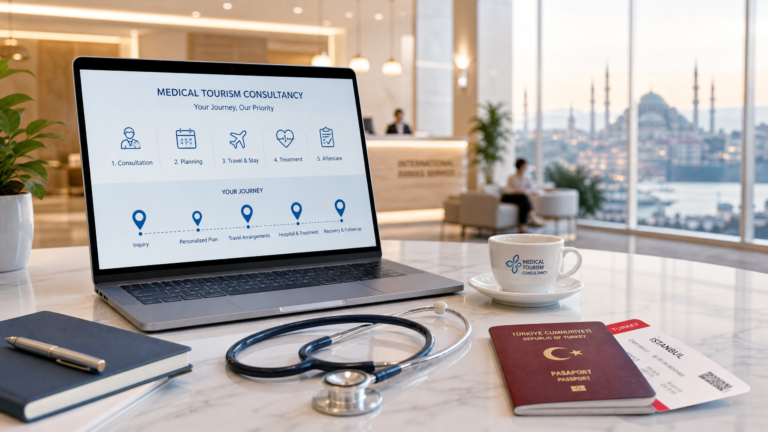
This is where a medical consultancy like Rexalife adds real value. We are not a hospital — our job is to help you make safe choices. We connect you with accredited clinics, verify that the doctors are qualified, arrange diagnostics such as blood analysis and MRI scans, and stay with you through recovery and follow-up. The goal is to remove guesswork so your decisions are based on facts, not marketing. When something can be checked in advance, we check it, so that the only surprises left are pleasant ones.
Conclusion
So, is Turkey safe for medical tourism in 2026? Yes — for the patient who chooses an accredited hospital, verifies their surgeon, plans recovery, and works with trusted partners. The country offers genuinely world-class care, and the safety is largely in your hands. Use the linked guides to make each decision with confidence, and review the broader reasons patients choose Turkey for treatment.
Frequently Asked Questions
Is Turkey safe for medical tourism in 2026?
Yes, Turkey can be very safe for medical tourism when you choose a Ministry-licensed, USHAŞ-authorized hospital, preferably with JCI accreditation, and verify your surgeon’s qualifications before travelling.
Are Turkish hospitals internationally accredited?
Many leading Turkish hospitals hold JCI (Joint Commission International) accreditation, one of the most respected global healthcare standards, and all licensed clinics are regulated by the Ministry of Health.
What are the main risks of medical tourism in Turkey?
The main risks come from choosing unaccredited clinics, inexperienced surgeons, or unrealistically cheap packages, and from flying home too soon after surgery without proper aftercare.
How do I make sure my treatment in Turkey is safe?
Choose an accredited hospital, verify your doctor’s credentials, get a written treatment plan, plan enough recovery time before flying, and arrange clear aftercare and follow-up.
About the author
admin — RexaLife medical content team. All health content is reviewed by qualified professionals.
Have questions about this topic?
Speak with a dedicated coordinator. No obligation — your information stays private.
RexaLife is a medical tourism facilitator and healthcare concierge service. RexaLife is not a hospital, clinic, or medical provider and does not provide medical care, diagnosis, or advice. All treatments are delivered by independent, accredited partner providers. Information on this page is general and does not replace professional medical consultation. Costs are estimates and depend on the chosen provider.